
What Shifts Are Needed?
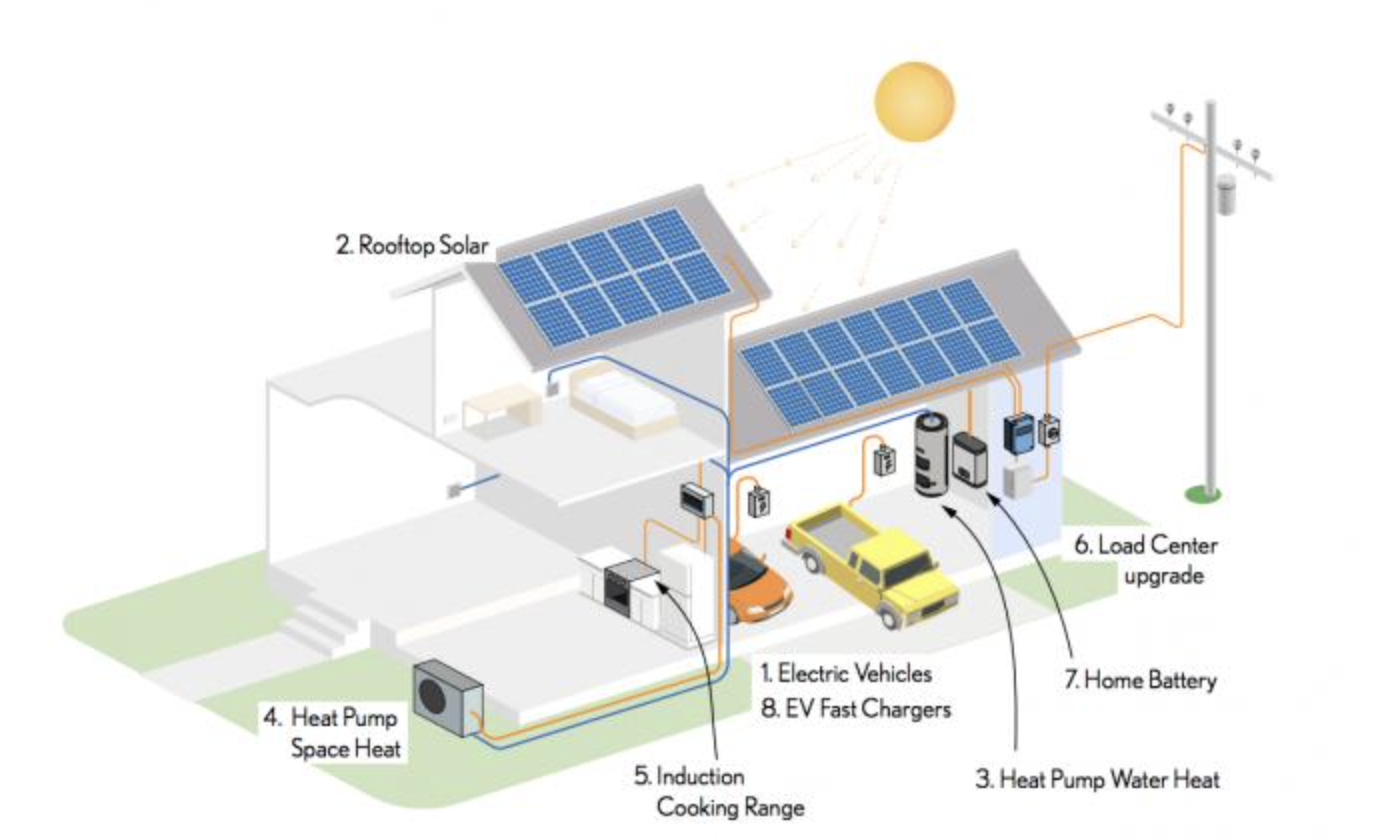
Switch to home electrification? It starts with small habits. Reduce energy use by 20-30% through efficient appliances and timing loads to solar hours. Aim for 80% independence: Generate most power via rooftop solar and batteries, cut grid reliance. Data shows this drops bills by $1,000-2,900 yearly for committed homes. But only 35% of Australian households have solar—over 4.2 million installs—and battery uptake hovers at 5-10%, despite 2025 surges adding 300,000 projected units. Why the gap? Let’s break it down.
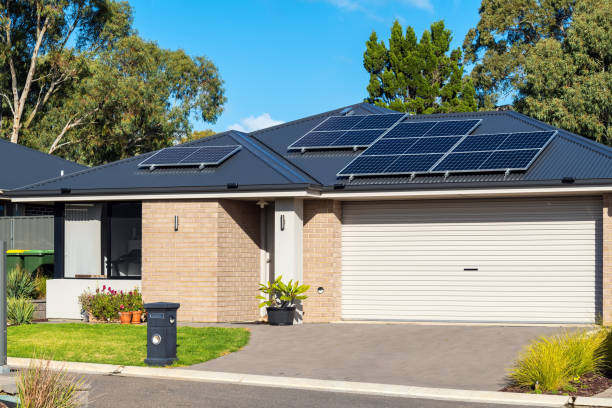
1,300+ Solar Panels On Roof Australia Stock Photos, …
Top Barriers: Why 65%+ Stall
High costs top the list—60% cite upfront prices as a blocker, per Schneider Electric’s 2025 survey of Australian homeowners. Solar + battery setups run $10,000-20,000 post-rebates, with payback in 5-8 years. Low-income households face extra hurdles: 40% report affordability issues, per CSIRO’s ongoing apartment study.
Info overload ranks second. 53% worry about complexity or cyber risks in smart tech. Quotes confuse: Installers focus on compliance, not optimisation—leading to oversized systems assuming 10-20% future consumption hikes from EVs/devices.
Practical pains: Coordinating trades fragments the process. A 2025 CSIRO survey of 100 households found five key roadblocks: Overwhelming info (72%), multiple suppliers (65%), low trust in upgrades (58%), split incentives for renters (45%), and policy gaps. Probability twist: Stats show only 13% of efficiency-prioritisers (87% of Aussies) follow through, due to these frictions.
Psychological nudge: Most skip because “it’s not urgent”—rising bills motivate just 68% to act, but hardship delays others. Model this: If costs rise 5% yearly, non-adopters face 20% higher bills in 5 years—vs. 80% savings for shifters.
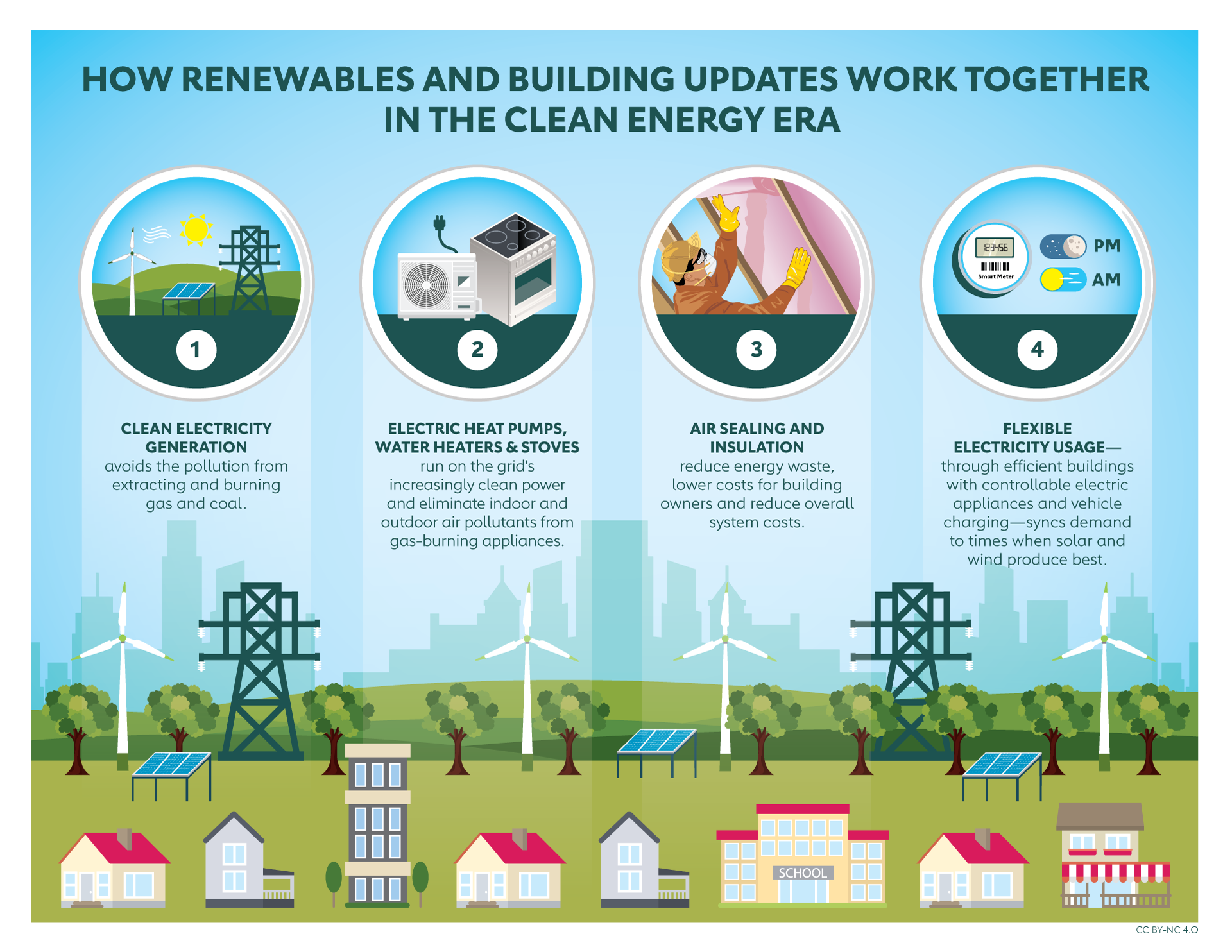
Building Electrification: Opportunities for Job Training while …
Excess Design vs. Efficiency Wins
Designs often oversize solar/batteries by 15-25%, betting on rising use. True for EVs (adding 20-30% load), but offset with efficient swaps: 5-star appliances cut waste 10-15%. Fact: 2025 data shows committed homes achieve 70-85% independence, but average adoption stalls at partial installs. Probability: 75% chance of bill spikes without behaviour tweaks, per energy modelling.
4 Proven Paths Forward
- Start small: Swap one appliance—e.g., induction cooktop saves $200/year. 68% motivated by bills succeed here.****
- Leverage rebates: Federal 30% battery discounts drive surges; Victoria hit 20,000 installs. Join VPPs like ShineHub for extra $500-1,000 income.****
- Case study: Melbourne family. Northcote household (family of 4) electrified via solar + heat pump—cut bills 75%, payback in 6 years. “Small swaps added up,” they say.****
- Policy push: One-stop hubs for quotes; 2025 reforms aim to halve complexity.
%20-%20Exterior%201%20%20LowRes_0.jpg)
Northcote, Victoria | YourHome
Quick Quiz
Rate yourself (1-5):
- Can you afford $5,000-10,000 upfront?
- Ready to research installers?
- Willing to shift habits (e.g., daytime loads)?
Score 12+: You’re in the 13% minority—start today. Below? Focus on one fix. Small swaps add up—start with one.
Sell energy without the headache.
If you work with customers who pay energy bills, VoltaRocks gives you the tools to sell electrification bundles and energy plans — with no upfront cost.